
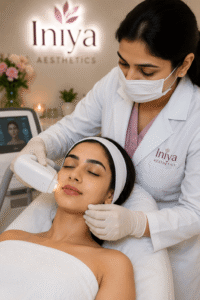
 If you’ve ever fallen down a late-night skincare rabbit hole, you’ve almost certainly typed something like “skin whitening treatment,” “skin bleaching surgery,” or even “skin melanin surgery” into Google. These searches are everywhere in India, and it’s not hard to see why. Years of sun, pollution, hormonal ups and downs, and stubborn post-acne marks can leave skin looking patchy, tanned, or just uneven, and most of us would happily fix that.
But this is where things get muddled. There’s a world of difference between wanting brighter, more even-toned skin and wanting to permanently change the colour you were born with. The first is a realistic goal that dermatology can actually support. The second? That’s not something modern skin medicine can deliver, no matter how a glossy clinic ad makes it sound.
So let’s clear the fog. This guide walks through what skin whitening and brightening treatments in India really involve, roughly what they cost, how safe they are, and what you should honestly expect before you book anything.
What Is Skin Whitening or Skin Brightening Treatment?
When a dermatologist says “skin whitening” or “skin brightening,” they’re almost never talking about changing your natural tone. They mean treatments aimed at fixing specific, visible concerns, such as:
- Hyperpigmentation — dark patches from sun damage, hormones, or inflammation.
- Sun tanning — the temporary darkening that follows UV exposure.
- Uneven skin tone — areas that look darker or lighter than the skin around them.
- Dark spots — often left behind by old acne, insect bites, or small injuries.
- Post-acne marks — the reddish or brownish shadows that linger after a breakout clears.
- Dull skin — skin that’s lost its glow to dead-cell buildup, dehydration, or lifestyle.
Here’s the part worth sitting with: results vary a lot from person to person. Someone with a light surface tan will usually see quick, obvious improvement, while someone dealing with deep-set melasma has a longer road. Which is exactly why an accurate diagnosis matters far more than the name on the treatment menu.
Is Skin Bleaching Surgery a Real Procedure?
Let’s tackle this one head-on, because it’s one of the most searched and most misunderstood phrases going: is skin bleaching surgery an actual medical procedure?
In a word, no. There’s no standard operation that safely and permanently changes your natural skin colour. The phrase gets tossed around online, usually by people hunting for a faster, stronger fix, but no recognised surgical technique does this in a safe, approved way.
What does exist falls into two very different buckets. First, non-surgical aesthetic treatments — chemical peels, laser therapy, and topical brightening agents that work on the skin’s surface layers to soften pigmentation and even out tone. Second, dermatological treatments for pigmentation, which are medically guided and aim at the root cause of the discoloration, whether that’s excess melanin, sun damage, or scarring.
Neither is “surgery” in the way the word suggests, and neither permanently rewrites your skin’s colour. What they can do is visibly improve tone, texture, and evenness when the right treatment is matched to the right problem, which is precisely why a proper consultation counts for so much before you start.
What Is Skin Melanin Surgery and How Much Does It Cost?
Another phrase that pops up constantly is “skin melanin surgery cost.” Much like skin bleaching surgery, this isn’t a recognised procedure with a standard price tag. Melanin is the pigment behind your natural colour, and there’s simply no surgery that removes or permanently alters it.
What people are usually asking about, underneath the wording, is the cost of pigmentation-focused treatments — and that number honestly depends on a handful of things: the specific treatment chosen (a peel, a facial, an injectable therapy), how many sessions your skin realistically needs, the size of the area being treated, how severe or long-standing the pigmentation is, the clinic’s expertise and equipment, and whether your plan combines more than one approach.
So if a clinic promises a fixed, one-size-fits-all price for “melanin surgery,” treat that as a red flag. Genuine costs are almost always worked out after an in-person skin assessment.
What Treatments Actually Work for Skin Brightening?
Now the bit most people came for: what actually works?
Chemical peels
One of the more established options. A controlled chemical solution lifts away the outermost, damaged layer of skin so fresher, more even-toned skin can surface underneath. Peels come in light, medium, and deep strengths, and clinics offering a chemical peel in Kolkata will pick the strength based on your skin type and how much pigmentation you’re dealing with.
Hydrafacial treatments
For something gentler, plenty of people go for a hydrafacial in Kolkata — a multi-step treatment that cleanses, exfoliates, and hydrates using a vortex-based technology. It’s handy for dullness and mild tone irregularities, and the near-zero downtime is a big part of the appeal.
Glutathione treatments
This one comes up a lot in brightening conversations. It’s an antioxidant-based approach that may help support a more even, brighter complexion when it’s medically appropriate for the individual. Not everyone is a good candidate, though, so anyone considering a glutathione treatment in Kolkata should have a professional review their skin and health history first.
Professionally recommended topical treatments
Dermatologists may also prescribe topical formulations for pigmentation, dark spots, or dullness — usually as part of a broader plan rather than a standalone miracle fix.
Other pigmentation-focused treatments
Depending on your specific concern, a specialist might suggest additional in-clinic options as part of a customised skin whitening treatment plan, combining more than one approach for better overall results.
None of these work identically for everyone, and most need several sessions spaced over weeks or months before you see meaningful, lasting change.
Skin Whitening Surgery Price: What Should You Know?
If you’ve searched “skin whitening surgery price,” it’s worth saying again: there’s no single standard number, mainly because “surgery” isn’t the right word for the treatments involved.
It helps to think of it instead as investing in a personalised skin-brightening plan. The overall cost comes down to which treatment (or combination) your specialist recommends, how many sessions you’ll need to see results, and the severity and type of pigmentation you’re addressing. Be wary of anyone quoting a flat, guaranteed price before they’ve even looked at your skin — a responsible clinic wants to assess your concern in person first.
What Affects the Cost of Skin Whitening Treatments in India?
A few practical factors shape what you’ll actually pay. The type of procedure matters — a single chemical peel session sits at a different price point than a hydrafacial or a glutathione-based plan. So does the number of sessions, since most pigmentation concerns need repeat visits rather than a one-and-done. The treatment area plays a part too (full face versus a few targeted spots versus the neck and beyond), as does the severity of the concern, because deeper, long-standing pigmentation usually calls for more intensive care.
On top of that, the products and technology used can move the needle — advanced devices or premium formulations cost more — and consultation plus follow-up monitoring is often built into a complete plan. Finally, the clinic and practitioner’s experience factors in; well-equipped clinics and seasoned dermatologists may charge accordingly. Rather than chasing the lowest quote, it’s usually smarter to prioritise a clinic that insists on a proper skin evaluation first.
Are Skin Whitening Treatments Safe?
Generally, yes — when they’re done by qualified professionals using clinically appropriate methods. Safety really comes down to a few basics: getting a professional consultation before anything begins, so the true cause of your pigmentation is correctly identified; an accurate diagnosis, since dark spots, tanning, melasma, and post-acne marks don’t all respond to the same treatment; and choosing practitioners who understand skin physiology and won’t push unnecessary or aggressive procedures.
It also means sticking to treatments suited to your skin type. That’s especially important for Indian skin tones, which can be more prone to post-inflammatory pigmentation if a treatment is too harsh. Careful aftercare (particularly after peels or laser work) and daily sun protection round it out, because unprotected sun exposure can undo your progress fast.
The flip side is real, too. Unregulated skin-lightening creams, over-the-counter bleaching products, and unsupervised at-home experiments can genuinely backfire — irritation, uneven patches, and sometimes worsening the very pigmentation they claim to erase.
How to Choose the Right Skin Specialist in Kolkata
This step matters more than people tend to realise. A qualified skin specialist in Kolkata doesn’t just hand you a treatment — they help you understand what’s actually happening with your skin first.
A good consultation should pin down the underlying cause of your pigmentation or tanning, your specific skin type and sensitivity, which treatment (or combination) genuinely suits your case, realistic expectations for results and timelines, any risks or side effects worth knowing about, and roughly how many sessions you’ll need. If a clinic skips all that and jumps straight to selling you a package, take it as your cue to look elsewhere.
How to Maintain Results After Treatment
Getting the treatment is only half the story; keeping the results takes a bit of steady effort. Wear sunscreen every day, even indoors or when it’s cloudy, since UV exposure is one of the biggest triggers for pigmentation to creep back. Stick to the routine your specialist recommends instead of swapping products every other week, and steer clear of unverified skin-lightening products, especially ones sold without clear ingredient lists.
Follow aftercare instructions exactly, particularly in the days right after a peel or facial, and keep up with any follow-up check-ins your specialist suggests. When it comes to skin, consistency beats any single “miracle” session, every time.