
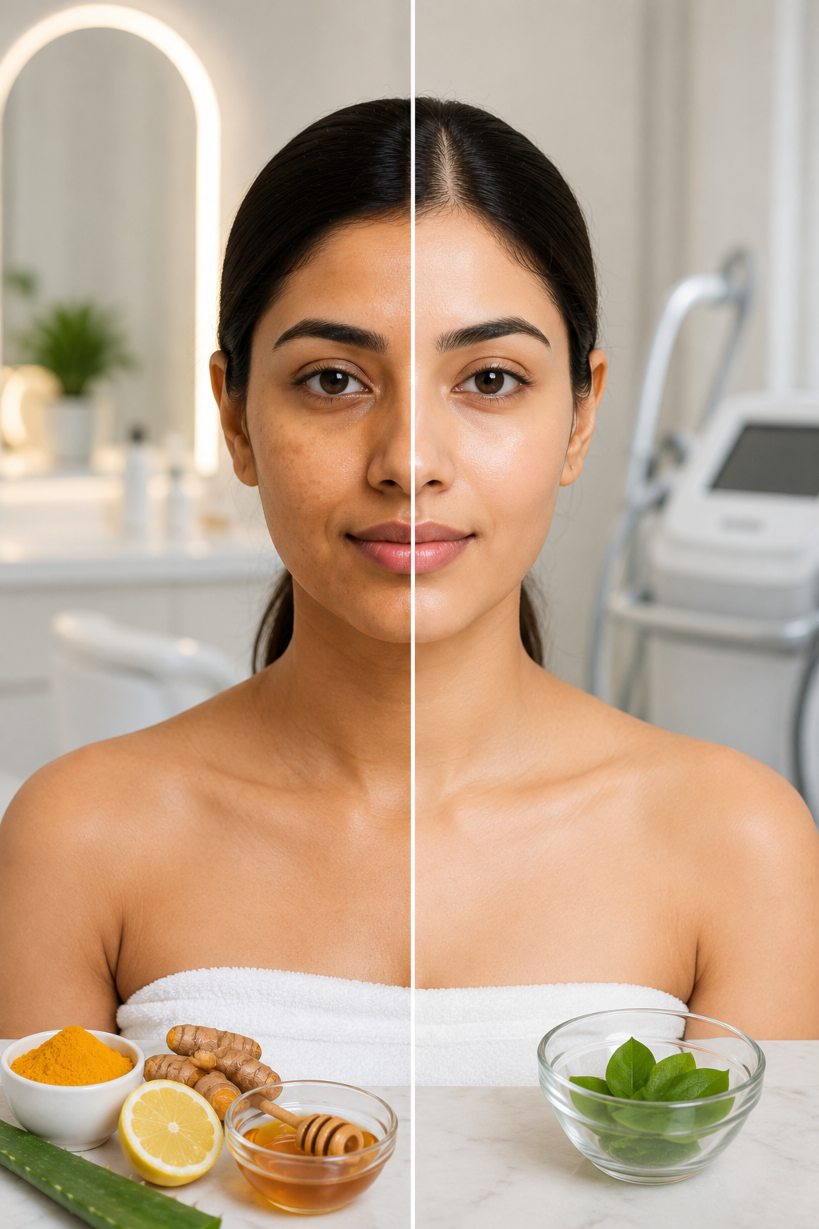
Dark spots, uneven patches, and dull skin are far more common than you think and more treatable than most people realise. Whether you want to explore skin whitening naturally at home or are considering a clinical skin brightening treatment, knowing your options is the first step toward actually seeing results.
This guide breaks down everything clearly, from simple skin whitening home remedies that genuinely work to advanced laser skin lightening procedures, so you can choose what suits your skin best without the guesswork.
What Is Skin Lightening and Why Do People Actually Seek It?
The phrase “skin lightening” carries a lot of baggage. But when you strip away the noise, most people who look into skin lightening treatment are not chasing some impossible standard. They are dealing with something very specific: a stubborn dark patch after a breakout, sun damage that just will not fade, or the kind of uneven skin tone that makes you feel like no amount of foundation is ever quite enough.
People seek these treatments for reasons that are genuinely common:
- Dark spots and post-acne marks that linger for months
- Melasma triggered by hormones, pregnancy, or prolonged sun exposure
- Sun damage that has built up over years
- Patchy skin tone on areas like the neck, elbows, or underarms
- General dullness that skincare products alone cannot seem to fix
If any of those sound familiar, you are in the right place.
What Are the Best Skin Lightening Home Remedies That Actually Work?
Before you book a clinic appointment or spend a fortune on serums, it is worth knowing that some of the most effective approaches to skin whitening naturally are sitting in your kitchen right now. That said, managing expectations here is important. Home remedies work, but they work slowly and consistently, not overnight. Here are the ones that have genuine backing and have stood the test of time:
Turmeric and Milk Paste
Turmeric has been used in Indian skincare for centuries, and modern research actually supports why. The active compound curcumin helps reduce melanin production, which is what causes dark patches in the first place. Mix half a teaspoon of turmeric with enough raw milk or plain yoghurt to form a paste, apply it on the affected areas, leave for fifteen minutes, and rinse. Two to three times a week is enough. Do not overdo it or your skin will turn yellow.
Aloe Vera Gel
Fresh aloe vera is genuinely one of the most underrated options for skin lightening treatment at home. It contains a compound called aloesin, which research suggests can suppress excess pigment without irritating the skin. Apply directly from the leaf, leave overnight if your skin tolerates it, and rinse in the morning.
Vitamin C from Natural Sources
Diluted lemon juice, papaya pulp, or tomato applied as a short mask can gradually brighten and exfoliate the skin. The vitamin C content interrupts melanin formation at the source. One important note: always dilute lemon juice with water in a 1:2 ratio, and never step into the sun right after using it.
Rice Water Rinse
Used across Japan and Korea for generations, fermented rice water contains kojic acid and ferulic acid. Both are well-established brightening ingredients, and daily use as a toner or rinse can make a noticeable difference in overall skin tone over a few weeks.
Sandalwood and Rose Water Mask
A classic skin whitening home remedy that works particularly well for sun tanning. Sandalwood powder has mild brightening and anti-inflammatory properties. Mix with rose water to form a paste and apply twice a week for a gradual glow.
One rule that applies to all of the above: wear SPF 30 or higher every single morning. None of these remedies will make much difference if you are undoing them with unprotected sun exposure every day.
What Clinical Skin Whitening Treatments Deliver the Fastest Results?
Home remedies are great for maintenance and mild concerns. But if you are dealing with deep-set pigmentation, persistent melasma, or years of sun damage, clinical skin whitening treatment is where you will see real, faster, and more reliable results.
Here is what the options look like:
Chemical Peels involve applying an acid solution to the skin that removes dead and damaged surface layers, revealing fresher skin underneath. Depending on the strength used — glycolic, lactic, or TCA — results can range from a mild glow to significant lightening of dark patches. A course of four to six peels spaced a few weeks apart is the typical recommendation.
Microdermabrasion is a mechanical exfoliation treatment that buffs away the uppermost layer of skin. It is non-invasive, requires no downtime, and works well for mild pigmentation and general dullness. Think of it as a deeper, more controlled version of exfoliation.
Prescription Topical Creams containing hydroquinone, tretinoin, kojic acid, or azelaic acid are often the first step a dermatologist will recommend as part of a structured skin brightening treatment plan. These are not available over the counter for good reason they need professional guidance to be used safely.
Glutathione Treatments delivered as oral supplements, topical creams, or intravenous drips have become increasingly popular as a skin whitening treatment that works from the inside out. Glutathione is a master antioxidant that reduces melanin at the cellular level. Results build gradually but can be significant with consistent use.
What Is Laser Skin Lightening and How Does It Work?
If you have tried everything else and nothing has moved the needle, laser skin lightening is likely the conversation you need to have with your dermatologist. It is the most targeted and precise skin brightening treatment available today.
Here is the basic idea: a laser delivers concentrated light energy directly into the pigmented areas of your skin. That energy is absorbed by the melanin sitting in those dark patches. The heat breaks the pigment apart into smaller fragments, and your body’s lymphatic system gradually clears those fragments away over the following weeks.
The laser technologies most commonly used for this purpose include:
- Q-switched Nd:YAG laser, which is particularly well-suited for darker skin tones and deeper pigmentation
- Fractional CO2 laser, which also addresses texture and fine lines alongside pigmentation
- Intense Pulsed Light (IPL), which works well for surface-level sun spots and redness
Laser skin whitening is not a one-session fix. Most people need anywhere from three to six sessions, spaced three to four weeks apart. But the results when maintained properly are among the most long-lasting available.
What Should You Expect Before, During and After Skin Whitening Treatment?
Knowing what you are walking into makes the whole experience far less daunting. Here is an honest, straightforward breakdown:
Before your treatment, your dermatologist will take a full history and examine your skin closely. A patch test is standard before laser procedures. You will likely be asked to pause retinol or exfoliating acids for one to two weeks beforehand, and to avoid sun exposure as much as possible.
During the treatment, the experience varies by procedure. Chemical peels create a warm, tingling sensation that fades quickly. Laser sessions can feel like small snaps against the skin — mild discomfort that most people find entirely manageable. A numbing cream is usually applied first. Sessions are typically done within thirty to sixty minutes.
After the treatment, your skin will be red and sensitive for a few days. Some peeling or flaking is completely normal and is actually a sign the treatment is working. You must avoid direct sun exposure, steam rooms, and harsh products for at least a week. SPF 50+ every day is not optional at this stage, it is essential.
How Can You Maintain Your Results After Skin Lightening Treatment?
Getting results is one thing. Keeping them is another. The good news is that maintenance is not complicated. It just requires consistency.
- Sunscreen, every single day. This is the single most important thing you can do after any skin lightening treatment. SPF 50+ applied every morning, rain or shine.
- Build a simple brightening routine using niacinamide, vitamin C serum, and a good moisturiser. These ingredients support long-term skin health and even tone.
- Do not touch healing skin. Picking or scratching after a peel or laser session is the fastest way to create new pigmentation.
- Drink enough water and eat well. Skin is a reflection of overall health. Antioxidant-rich foods like berries, leafy greens, and citrus genuinely support skin renewal.
- Stay in touch with your dermatologist. Most professionals recommend a maintenance session every three to six months to sustain results from clinical skin brightening treatment.
- Avoid unnecessary heat exposure, particularly in the weeks immediately following any procedure. Hot showers, saunas, and heavy exercise can all trigger pigmentation in treated skin.
Final Thoughts
Brighter, more even skin is not out of reach. Whether you start with simple skin whitening home remedies or go straight to a clinical skin lightening treatment, the key is consistency, patience, and protecting your skin from the sun every single day.
There is no one-size-fits-all answer here. Some people see great results with natural ingredients alone, while others need the precision of laser skin lightening or a chemical peel to address deeper pigmentation. What matters most is that you make an informed choice based on your skin type and concerns, ideally with guidance from a qualified dermatologist.
At Iniya Aesthetics, our team of experienced skin specialists takes a personalised approach to every concern, whether you are dealing with stubborn melasma, post-acne marks, or general dullness. If you are looking for trusted and result-driven skin treatment in Kolkata, we are here to help you find the right solution for your skin.